 Democracy. It’s a term we hear all the time, yet many folks find its meaning confusing or even elusive. The idea of democracy actually stretches back thousands of years. Ancient Greece, often hailed as its birthplace, set the stage with their earliest forms of democratic governance in Athens. They didn’t have it all figured out back then—who does?—but they laid down the groundwork.
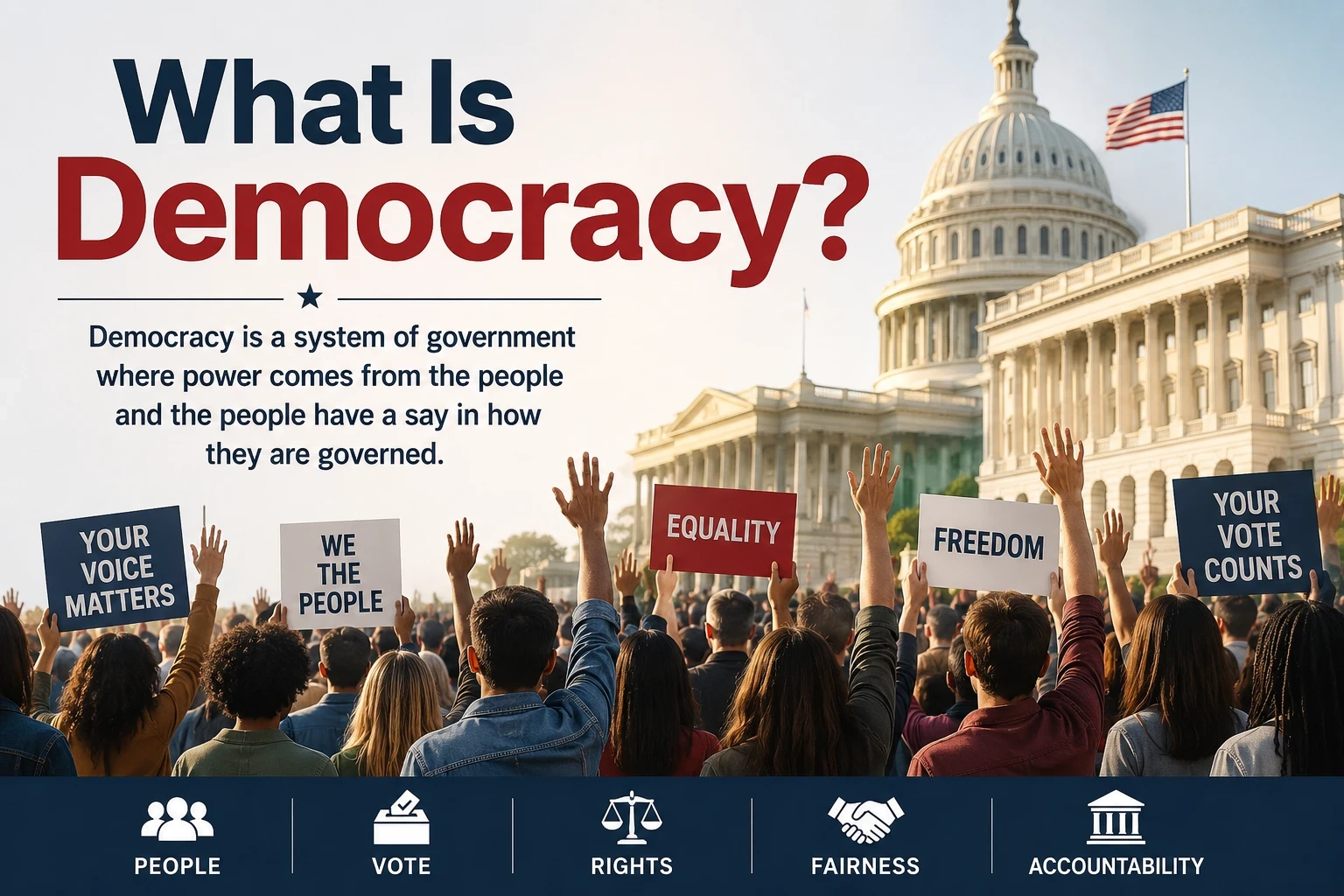
What we think of as democracy today has evolved a whole lot since those ancient times. It’s grown, changed, and adjusted, like some kind of political chameleon. At its core, democracy is about giving the power to the people. But it’s not just the concept where folks cast a vote. It’s also about ensuring everyone gets a voice and a shot at shaping the community.
When it comes to describing democracy, you get different takes. You may hear about it being ‘government by the people, for the people.’ This means ordinary citizens, like you and me, have a say in how things are run. Pretty empowering, right? No one should feel powerless in a true democratic setup.
Democratic principles revolve around a few essential ideas. We’re talking about sovereign power belonging to all people, not just a select few. It’s in the details like fair elections or the right to free speech where democracy truly reveals its flavor. And yes, it’s messy sometimes, but that’s the beauty of it! Democracy doesn’t fit neatly in a box—it’s dynamic and always a work in progress.
Different Faces of Democracy
In the grand tapestry of political systems, democracy isn’t a one-size-fits-all model. It’s more like a beautiful mosaic made up of different forms, each reflecting unique cultural and historical contexts. Let’s kick off with Direct Democracy. This is where every single individual gets to have a say, kinda like a general assembly. You can see hints of this system in smaller communities or certain referendums across the globe.
Then there’s Representative Democracy, which is what most of us are familiar with. In this setup, folks elect representatives to make decisions on their behalf. It’s all about trust and delegation. Countries like the United States and the United Kingdom operate under this system, sometimes paired with a constitutional monarchy in places like the UK.
On another note, there’s Participatory Democracy. It’s all about engaging more people in the decision-making process beyond just voting. It’s gaining some traction in various parts of the world, encouraging more active involvement.
Now, if you take a trip around the globe, you’ll find numerous countries blending these practices. For instance, Switzerland does its unique spin with a mix of direct and representative elements. Each form has its strengths and challenges, but they all aim for the same goal—giving people a voice.
Understanding these nuances helps us appreciate why certain democracies operate the way they do. It’s the variations that make democracy adaptable, relevant, and sometimes even contentious. No one system is perfect for every situation, but that’s part of democracy’s charm—it’s adaptable and ever-evolving.
Core Principles and Values of Democracy
Democracy thrives on a few key principles that keep it vibrant and functioning well. Freedom of speech is like the backbone of any democracy. It ensures that you and I can express our thoughts and ideas without fear. A society where everyone can shout out their opinions, debate, or even protest often reflects a healthy democratic culture.
The rule of law is another biggie. In democracies, laws aren’t just for some—they’re for everyone, regardless of their status. This principle guarantees that justice is served fairly and no one is above the law. It builds trust in institutions when people know the legal system is straightforward and impartial.
Equal protection is a core value that plays a significant role in democratic societies. It’s about ensuring everyone gets the same treatment under the law, no special favors or undue discrimination allowed. When people feel equally protected, it’s easier for communities to gel and work toward shared goals.
A central aspect of democracy is the concept of majority rule, while still respecting minority rights. Majority decision-making is practical, but it’s equally crucial that the voices of minorities aren’t lost in the crowd. Balancing these aspects keeps the democratic spirit alive, fostering a sense of inclusion and fairness.
By recognizing and upholding these core values and principles, democracies can function more effectively and create environments where individuals feel heard, protected, and empowered. That’s what keeps democracy ticking and evolving, no matter how chaotic the political scene might seem at times.
Challenges and Criticisms Facing Democracy
Navigating the challenges that democracy faces today is like walking on a tightrope—there’s a lot at stake. One significant hurdle is the rise of populism. This movement often taps into people’s emotions and frustrations, which can sometimes lead to an oversimplification of complex issues or even the erosion of democratic norms.
Authoritarianism poses a serious threat too. While democracy is about inclusion and freedom, authoritarianism drags things back to centralized power and restricted liberties. The tension between these opposing forces is real, and it’s something democratic countries continually wrestle with.
Misinformation and the rapid spread of fake news disrupt democratic processes. With social media amplifying voices, credible or not, distinguishing fact from fiction becomes overwhelming, emphasizing the need for media literacy and critical evaluation skills.
Finding the balance between personal freedoms and the necessity for security is another sticky point. Striking this balance means ensuring safety without infringing on personal liberties. It’s a tough act that requires constant vigilance and open dialogue.
Yet, even with these challenges, the continual push for improvement is what keeps democracy evolving. By acknowledging and addressing these issues head-on, societies can look for real solutions and grow stronger in their democratic commitments.
The Impact of Democracy on Modern Societies
Democracy’s influence on modern societies is undeniable, buzzing with both challenges and immense possibilities. For starters, it’s like a breeding ground for innovation. When people are free to express ideas and experiment, progress isn’t far behind. This freedom fuels technological advancements and facilitates creative solutions to complex problems.
Another win in the democracy column is its role in economic growth. Countries operating under democratic regimes tend to have more robust economies. It’s no coincidence—they create environments where business can flourish, foreign investors feel secure, and entrepreneurs find opportunities galore.
Democracies also boost global peace and cooperation. Open dialogue and negotiation are more attractive than conflict when more players have a voice. While it’s not all sunshine and rainbows, democracies are generally better at working through disputes diplomatically rather than resorting to arms.
On the flip side, democracy’s impact isn’t solely positive. Economic disparity and partisan politics, for instance, can sometimes slow progress. However, recognizing these drawbacks is part of nurturing a healthy democratic system that proactively seeks solutions.
In the long run, democracies aim to improve living conditions, uphold human rights, and encourage continual societal advancements. The journey isn’t smooth or straightforward, but with persistence and adaptability, democratic societies can thrive, make meaningful contributions, and inspire others along the way.
The Future of Democracy in a Changing World
As the world spins toward ever-unpredictable futures, democracy is along for the ride, evolving in dynamic ways. Technology is carving new paths for democratic processes. Think digital town halls or smartphones at the voting booth. These innovations are reshaping how we engage and participate.
Across the globe, movements are rallying for democratic reforms. People from different corners are striving for more inclusivity and transparency in governance. This collective push is vital for adapting democracy to current and future challenges.
Against the backdrop of these shifts, maintaining democracy’s resilience is key. Safeguarding against threats like cyber interference or misinformation requires foresight and action. Prosperity in democracy’s future depends on shoring up institutions to withstand these modern-day hurdles.
Despite the obstacles, the future of democracy holds promise. It encourages melding old principles with new strategies. This blend can ignite engagement and inspire positive change, fostering societies that are more equitable, aware, and receptive to the voices of all their members.